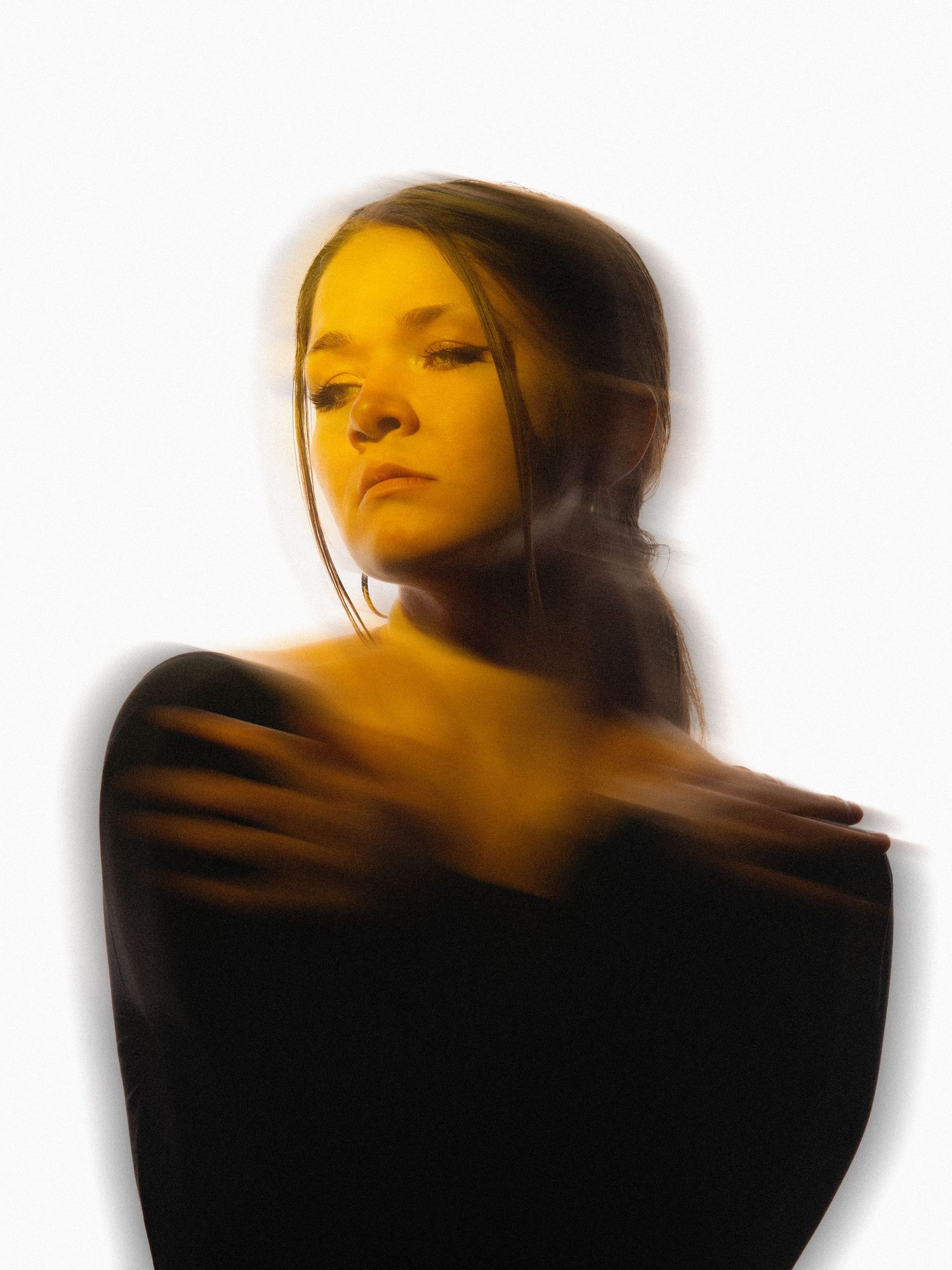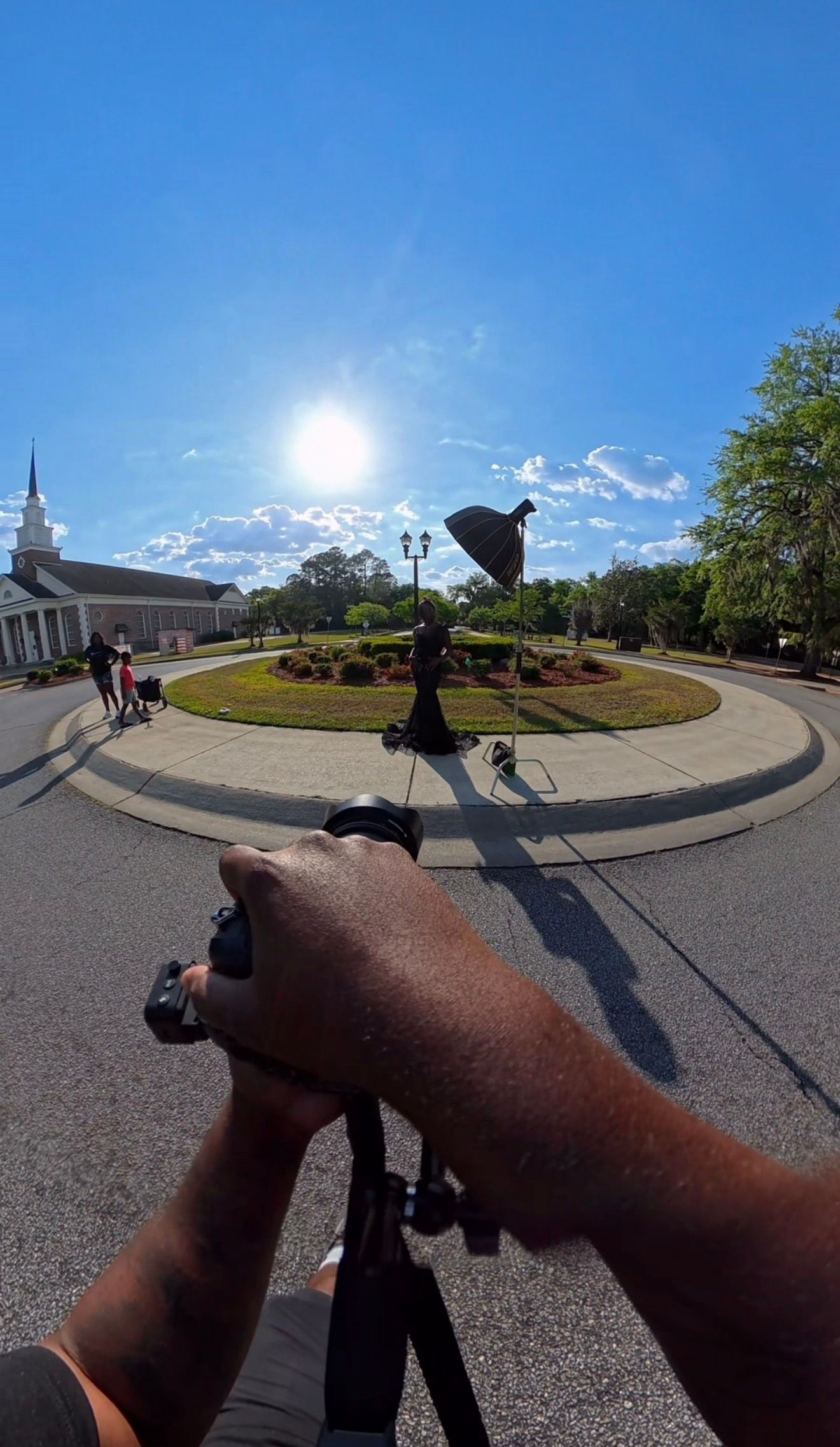
When I first started using studio lights, I realized it’s really easy to focus on the gear instead of understanding what the lights are actually doing. One thing I’ve been learning more about is light ratios and how they affect the way a portrait looks.
Light ratios basically control how strong your shadows are and how dramatic the lighting feels. Once I started understanding this, it helped me stop guessing with my lights and start being more intentional with how I light my portraits.
What Light Ratios Mean
In simple terms, a light ratio is the balance between your key light and your fill light.
The key light is your main light source — the one doing most of the work lighting your subject. The fill light is used to soften or reduce the shadows created by the key light.
Depending on how strong or weak the fill light is compared to the key light, the lighting can look soft, natural, or more dramatic.
Common Light Ratios
Here are a few ratios photographers use when setting up studio lighting:
1:1 Ratio
Both lights are basically the same brightness. This creates very soft lighting with almost no shadows.
2:1 Ratio
The key light is slightly stronger than the fill light. This adds a little shadow and depth but still looks natural.
4:1 Ratio
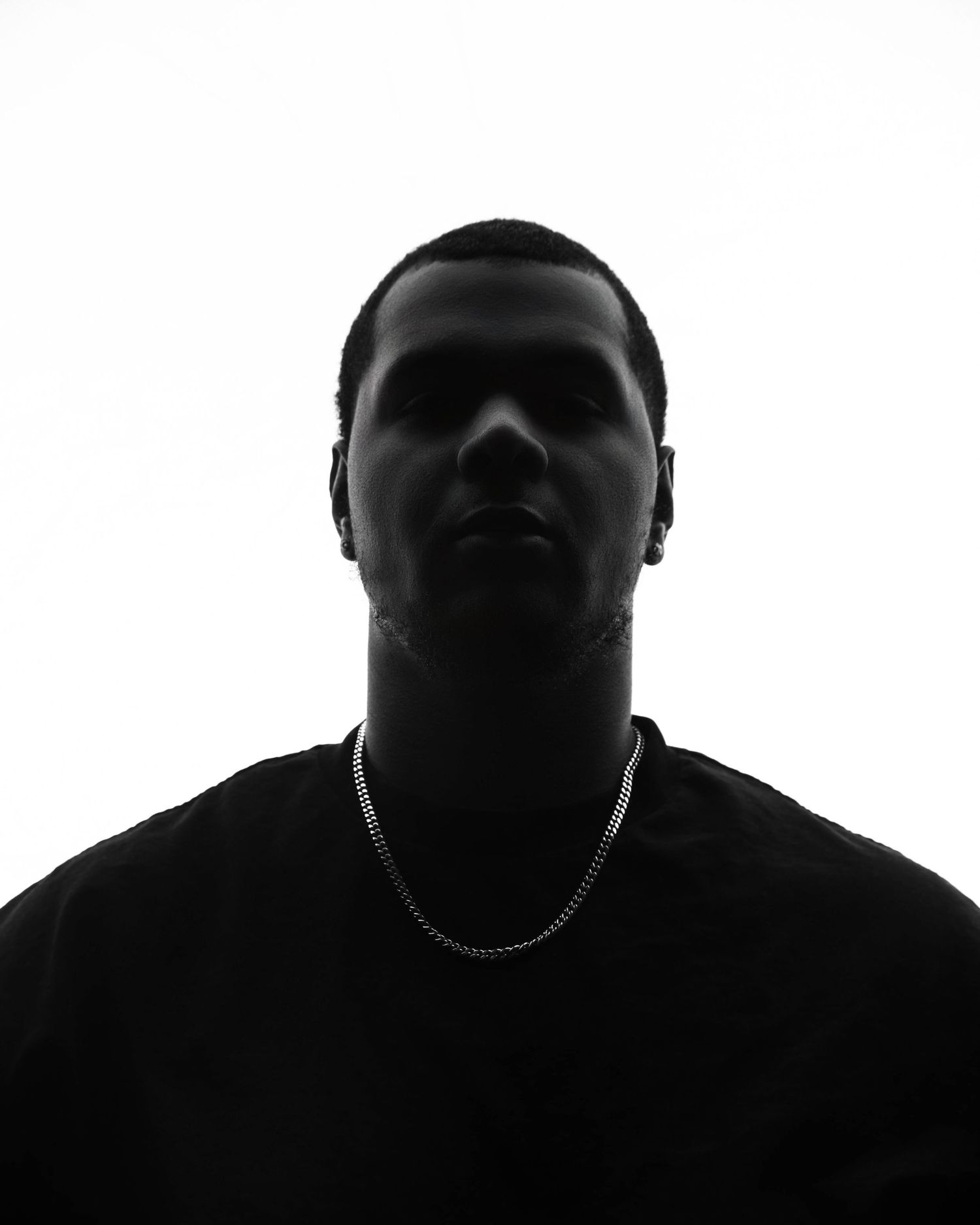
The key light is much stronger than the fill light. This creates deeper shadows and more contrast, which can look more dramatic.
8:1 Ratio and higher
This type of lighting creates very strong contrast and darker shadows. It can give portraits a bold or cinematic look.
Why Light Ratios Matter
Understanding light ratios helps you control the mood of your photo. Instead of just placing lights randomly, you can decide if you want the lighting to feel soft and clean or more dramatic and cinematic.
For example, softer ratios might work better for beauty portraits or headshots, while stronger ratios can help create a moodier or cinematic look.
Final Thoughts
I’m still learning and experimenting with different lighting setups, but understanding light ratios has already helped me get more consistent results in the studio.
The more you practice with different lighting setups, the easier it becomes to control the look and feel of your portraits.
Ready to Practice These Lighting Setups?
If you want to go beyond just learning the basics, check out my:
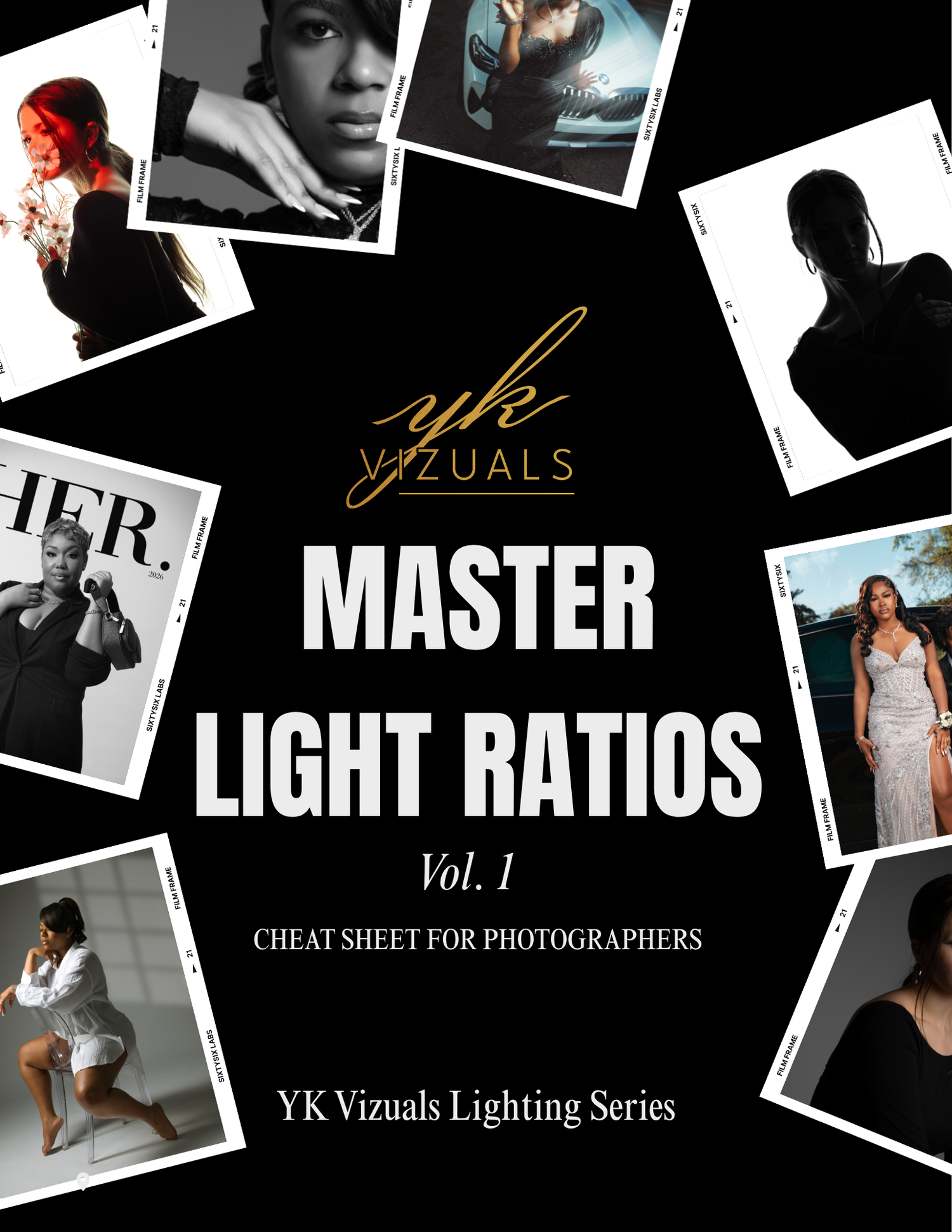
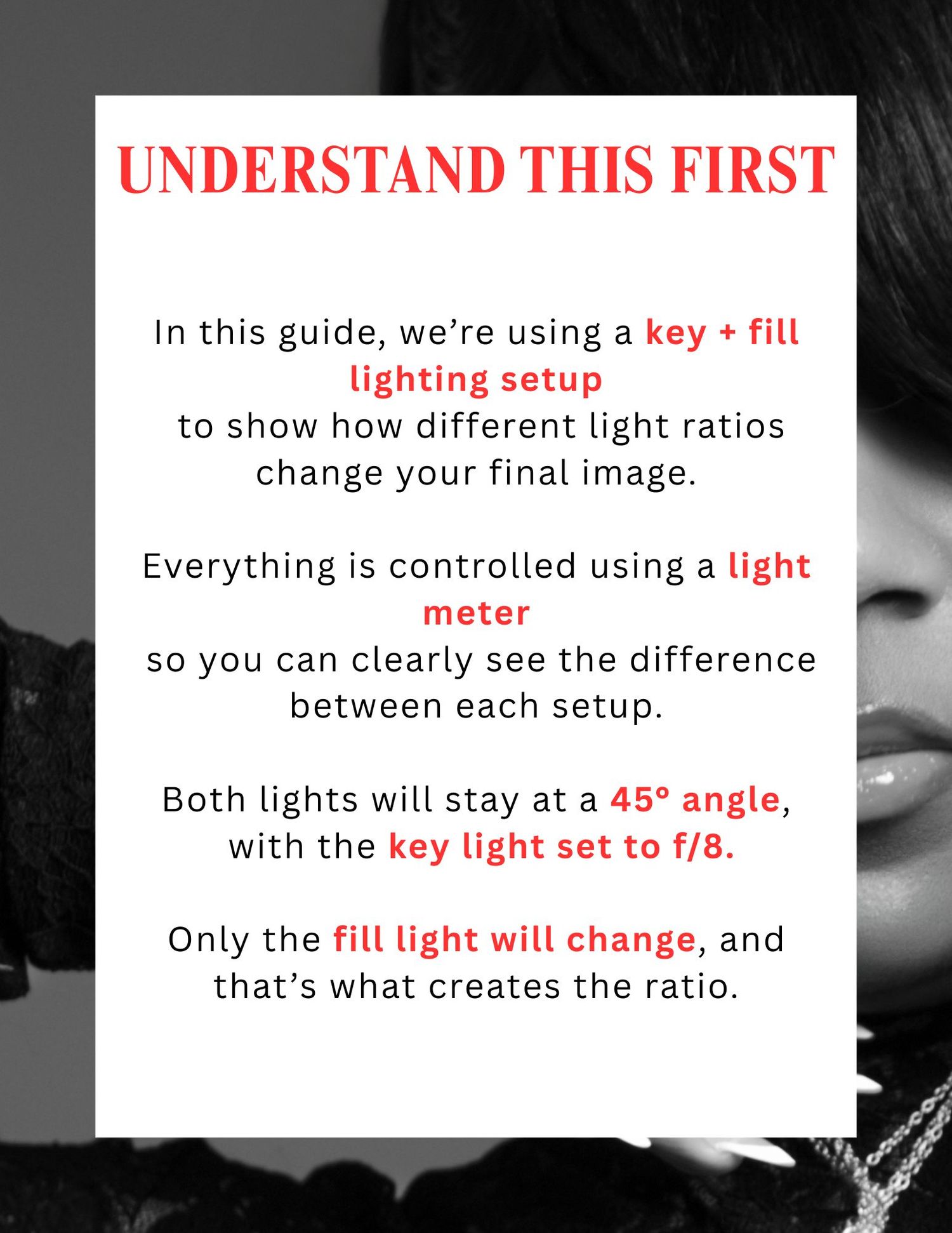
Master Light Ratios Vol. 1
A visual lighting cheat sheet designed for photographers wanting cleaner, more cinematic portraits.
Inside the guide:
* Real lighting setups
* Key + fill examples
* Ratio breakdowns
* Studio lighting references
* Cinematic lighting inspiration
Perfect for beginner and intermediate photographers looking to level up their lighting faster.
YK Vizuals
If you’re interested in booking a studio portrait session or creating cinematic portraits, visit the booking page or contact YK Vizuals to start planning your shoot.